

At a Glance
- Location: Not identified in the court record reviewed; the proceedings used “Commonwealth” terminology associated with several East Coast jurisdictions.
- Case period: Not specified in the transcript excerpt.
- Victim: Not named in the portion of the record reviewed; the case centered on evidence tied to a violent crime.
- Critical clue: Blood, bodily fluids, physical restraints described in court as “bands,” and DNA evidence connected to the defendant, according to statements made on the record.
For months, prosecutors had reportedly assembled a case against a defendant identified in court records as Miss Clancy using some of the most technical, hard-to-explain evidence in the criminal justice system: blood, bodily fluids, and DNA. The kind of proof that normally takes days of expert testimony, chain-of-custody witnesses, and lab technicians to establish beyond doubt. But as the trial reached a pivotal morning session, a different question took center stage — not whether the evidence existed, but whether anyone would ever have to prove it in front of the jury at all.
A Trial Built on Forensic Evidence
According to the court transcript, the case against Clancy relied heavily on forensic material — blood, fluids, and DNA — along with physical restraints referred to in court only as “bands.” Prosecutors would ordinarily have needed to call a long line of witnesses to establish where that evidence came from, how it was collected, and how it was preserved before reaching a lab. Defense attorney Readington acknowledged in court that this process could have required “dozens if not” more witnesses just to walk the jury through chain of custody.

The Attorney’s Unusual Offer
Rather than contest that mountain of technical evidence piece by piece, the defense proposed something less common at a criminal trial: a stipulation. Attorney Readington told the judge that the defense had “not been contesting the government’s case” on these specific forensic points and had agreed to accept certain facts as established, without forcing the Commonwealth to prove them through live testimony.
What the Judge Had to Confirm
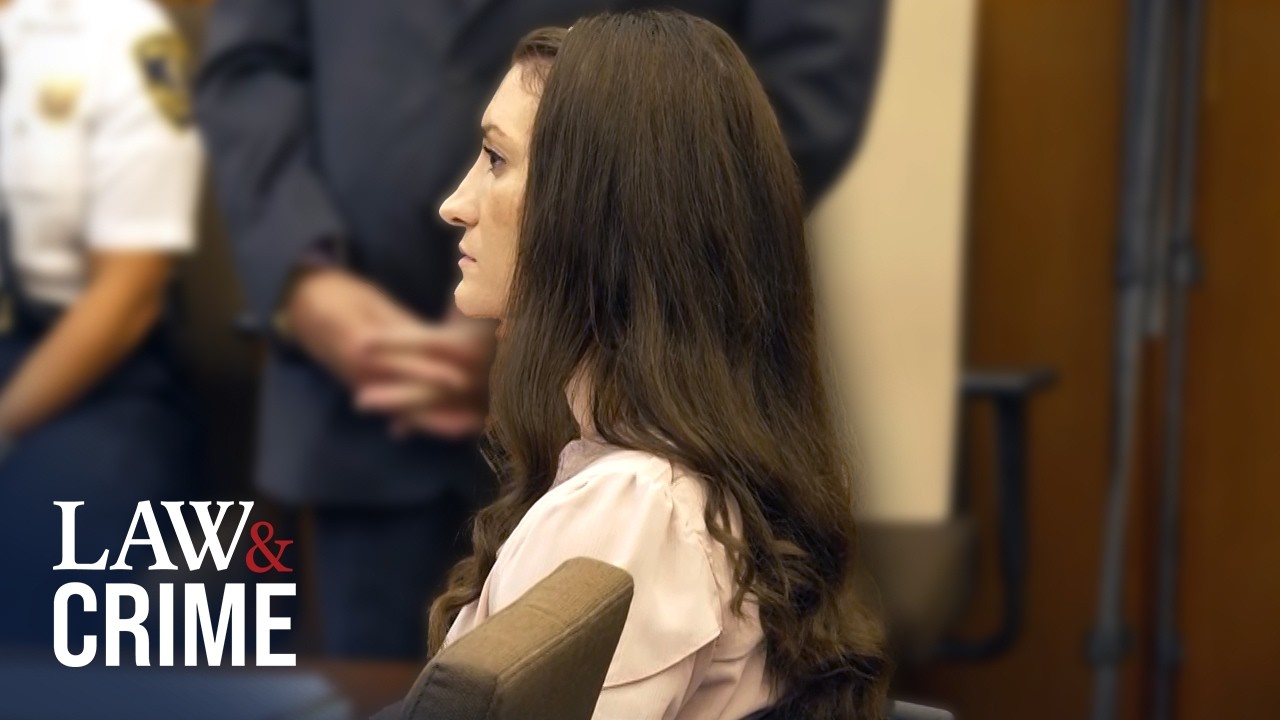
Before accepting that arrangement, the judge — addressing Clancy directly — walked through a lengthy series of questions to make sure she understood exactly what she was giving up. The judge reminded her that the Commonwealth carries the burden of proving every element of a case beyond a reasonable doubt, and that by stipulating to certain facts, she would be relieving prosecutors of that burden for those specific points.
“This stipulation basically relieves the government of having to bring in dozens if not [more] witnesses to prove chain of custody of blood, fluids, the bands, DNA — all of that — rather than have days of testimony.”

The Rights Miss Clancy Gave Up
The judge methodically listed the constitutional protections attached to the stipulation. Clancy confirmed, under oath, that she understood she was giving up her right to force the Commonwealth to prove those particular facts, her right to confront witnesses who would have testified about them, her right to call her own witnesses to contest them, and — in a limited way — her right to remain silent with respect to those specific facts. Each time, she answered simply: “Yes, your honor.”
The judge asked repeatedly whether she was doing this “willingly and voluntarily,” whether anyone had “forced or threatened” her, and whether she had enough time to discuss the decision with her attorney. Clancy answered yes to each question, and the judge found that she had entered the stipulation “knowingly, intelligently, voluntarily, and willingly,” and that she was competent to do so.
The Case Investigators Almost Lost
Court records make clear that the forensic case against Clancy was not simple. Establishing the chain of custody for blood, bodily fluids, restraint evidence, and DNA typically demands testimony from evidence technicians, lab analysts, and officers who handled the material at every stage — any gap in that chain can give a defense attorney room to challenge admissibility. Attorney Readington’s comments in court suggest that without the stipulation, the Commonwealth faced the prospect of “days of testimony” just to keep that evidence in play. Had the defense chosen to fight the forensic evidence on procedural grounds instead of agreeing to the stipulation, the case could have bogged down in exactly the kind of technical dispute that has derailed other prosecutions relying heavily on physical evidence.

Inside the Colloquy
The exchange between the judge and Clancy is the kind of methodical, question-by-question colloquy that appellate courts later scrutinize closely, precisely because a defendant’s rights are on the line. The judge made a point of pausing to ask if Clancy needed to speak with her attorney or if she had “any problems understanding” what was being explained — offers she consistently declined, saying she’d already gone over the stipulation with Readington and needed no additional time.
Once the judge was satisfied, the stipulation — marked in the record as Exhibit J — was formally accepted. The judge noted for the record that Clancy had waived her right to contest the forensic elements covered by the agreement, clearing the way for the trial to proceed without extended testimony on blood, fluid, restraint, and DNA evidence.
Where the Case Stands Today
The court record reviewed here captures only this portion of the proceedings — the moment the judge accepted the stipulation and prepared to bring the jury back into the courtroom. What forensic facts were specifically stipulated to, and how the trial ultimately concluded, are not detailed in the portion of the transcript available. What is clear is that the stipulation reshaped the shape of the trial itself, sparing jurors — and the Commonwealth — from what attorney Readington described as days of testimony that might otherwise have been necessary to establish the science behind the case.