

For years, it was the tax that never quite happened. Lawmakers floated it. Editorial boards argued over it. Wealthy apartment owners in Manhattan watched it come up, stall out, and disappear again.
This time, it did not disappear.
New York City now has a pied-a-terre tax on the books — a levy aimed squarely at people who own a valuable second home in the city but live somewhere else. And on Tuesday, the fight over it stopped being a local budget argument and became something much bigger.
The Apartments Nobody Really Lives In
Walk through certain blocks of Manhattan on a winter night and you will notice something odd. Whole floors of glass towers sit dark. The lobbies are staffed. The doormen are on duty. The units are owned, paid for, insured — and empty.
Those are the properties at the center of this. A pied-a-terre is a second residence, a place someone keeps for convenience rather than for living in full time. The owner’s primary home, and often their tax bill, sits in another state or another country entirely.
Supporters of taxing those units have made the same argument for a long time: if a person can afford a high-value apartment they barely occupy, the city should collect more from it. Critics have made an equally consistent argument: the money will not stay, the buyers will not stay, and the buildings that depend on those owners will feel it first.

What changed is that the debate finally produced a policy. Under Mayor Zohran Mamdani, the pied-a-terre tax moved from a talking point to a line that property owners will actually see.
Then Washington Spoke Up
The reaction did not come from a city council chamber or a real estate trade group. It came from the White House.
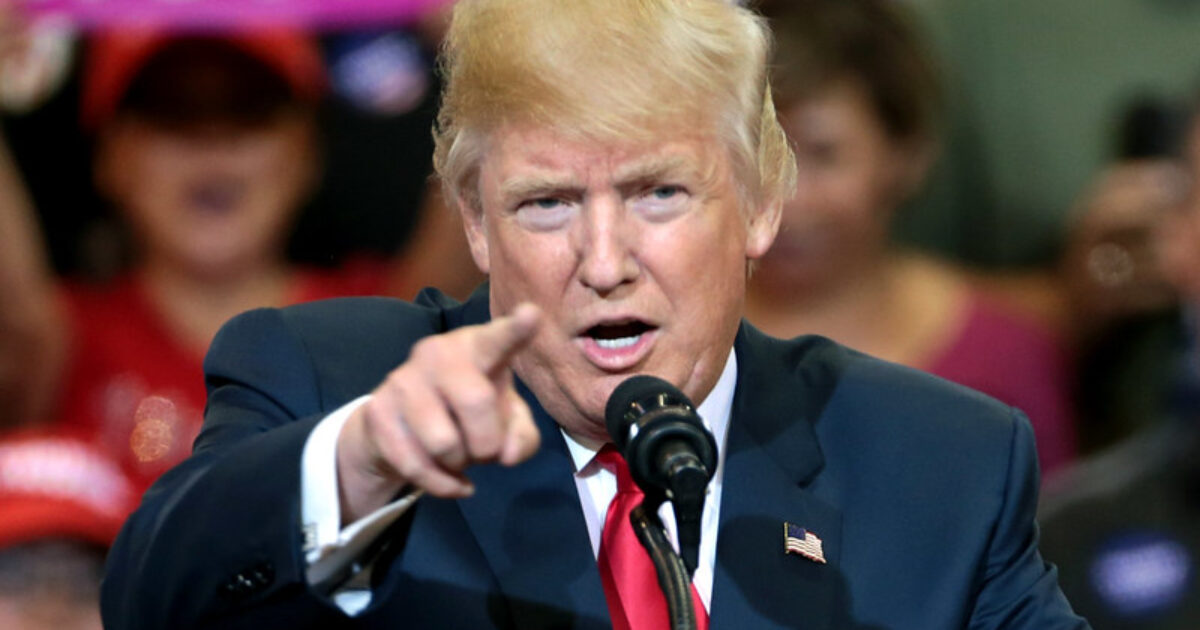
On Tuesday, President Trump threatened to take federal action to stop the new tax — a warning that instantly raised the stakes of a policy that had, until that moment, been treated as a New York City matter.
That single threat reframed everything. A municipal tax on second homes is one thing. A president signaling that the federal government may intervene to block it is another entirely.
For anyone who has watched Trump and New York City politics collide before, the setup is familiar. The President built his name in Manhattan real estate. He knows those towers, those buyers, and exactly who writes the checks on high-end second homes. This is not an abstract policy dispute to him.
Why This Lands Differently for Older Homeowners
There is a group watching this closely that rarely gets mentioned in the headlines: retirees and near-retirees who own a modest second place they no longer use year-round.
Not every second home in New York belongs to a billionaire. Some belong to people who bought decades ago, raised families, moved out to be closer to grandchildren, and kept the old apartment. Whether the tax reaches them depends entirely on how “valuable” is defined and enforced — and that is the detail owners across the city are now trying to pin down.
- The tax targets second homes, not primary residences
- Value thresholds determine who actually pays
- Enforcement details matter more than the headline rate
- A federal challenge could pause or reshape all of it
City officials have made their position clear by passing the measure. The President has made his position clear by threatening to fight it.
What nobody can say yet is which side has the stronger ground. Federal intervention in a city tax is not a simple maneuver, and any serious attempt would almost certainly land in front of a judge before it landed on anyone’s property bill.
For now, the apartments stay dark, the owners keep waiting, and one of the most expensive real estate markets on earth sits between a mayor who wants the revenue and a president who says he will stop it.
The next move belongs to Washington.