
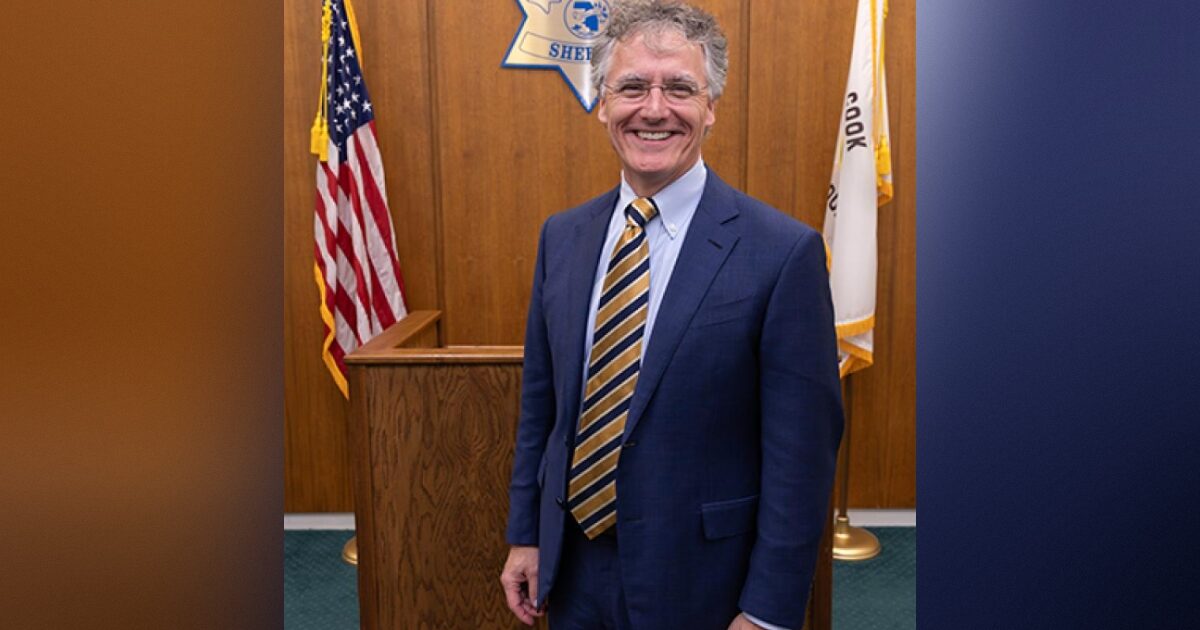

For nearly two decades, one name has been attached to the biggest jail complex in the Midwest. Not a mayor. Not a governor. A sheriff.
Cook County Sheriff Tom Dart has spent his career at the center of Chicago’s toughest fights over crime, custody, and who gets released back onto the street. He has been praised by allies as a reformer and blasted by critics as the enforcer of the city’s sanctuary rules.
Now the federal government says his choices have consequences — and it has spelled them out in writing.
The Letter That Changed the Conversation
According to the report, U.S. Immigration and Customs Enforcement has formally put Dart on notice. The agency’s message, as described, is blunt: serve the immigration subpoenas issued to his office, or face the possibility of criminal charges for witness tampering.
Read that again, because it is the part that has people talking. This is not a lawsuit. It is not a funding threat. It is not a press conference jab traded between Washington and Chicago. It is the suggestion that a sitting American sheriff could personally end up on the wrong side of a criminal statute.
That is a line that federal officials rarely walk up to, let alone cross.

Why Cook County Sits at the Center of It All
To understand why this particular sheriff, in this particular county, you have to understand the size of what he runs.
The Cook County Jail is the largest in the Midwest. Thousands of people cycle through its intake doors. Every one of them gets fingerprinted, processed, and logged. And every one of them represents a decision point: who gets flagged, who gets held, who walks out the front gate and back into the neighborhood.
Chicago’s sanctuary framework limits how local law enforcement cooperates with federal immigration authorities. Supporters argue those limits keep immigrant families willing to call 911 and testify in court. Opponents argue they let people the federal government wants to question disappear into a city of nearly three million.
Dart, a longtime Democrat, has been described as a key enforcer of those policies. That reputation is exactly what put his name on a federal desk.
What Everyone Is Actually Waiting For
Here is where the story gets uncomfortable for both sides.
A subpoena is not a request. It is a legal demand for information — the kind of paperwork that, in almost any other context, gets answered without a headline. When a local official refuses to serve or honor one, the standoff stops being political and starts being legal.
The specific accusation floated in the ICE warning — witness tampering — is what raises the stakes so sharply. It is a charge normally associated with organized crime cases and courtroom intimidation, not with county administration. Applying that language to a sheriff’s handling of immigration paperwork is an aggressive move, and everyone involved knows it.
So what happens now?
That is the question hanging over Chicago. A few things are worth watching closely:
- Whether the sheriff’s office complies, refuses, or challenges the demand in court
- Whether county and state leaders back him publicly or quietly step away
- Whether federal prosecutors actually move forward — or whether the warning alone was the point
- Whether other sanctuary jurisdictions receive similar notices
Because if this ultimatum sticks, it does not stop at one man or one county. Sheriffs, police chiefs, and jail administrators in sanctuary cities across the country will be reading the same letter and asking the same question about their own exposure.
For now, a longtime Chicago lawman has been handed a choice with no comfortable option. Comply and enrage his political base. Refuse and risk something far more serious than criticism.
The clock, as they say, is running.